The US-Iran ceasefire now faces its sharpest test yet.
A two-week pause in direct fighting has been met with a fresh American naval blockade on Iranian ports, while Iran maintains its restrictions on the Strait of Hormuz. This moment reveals how swiftly military pressure and diplomatic hope can collide in a deeply interconnected world — and why rethinking power in leadership has become urgent.
The Situation Right Now
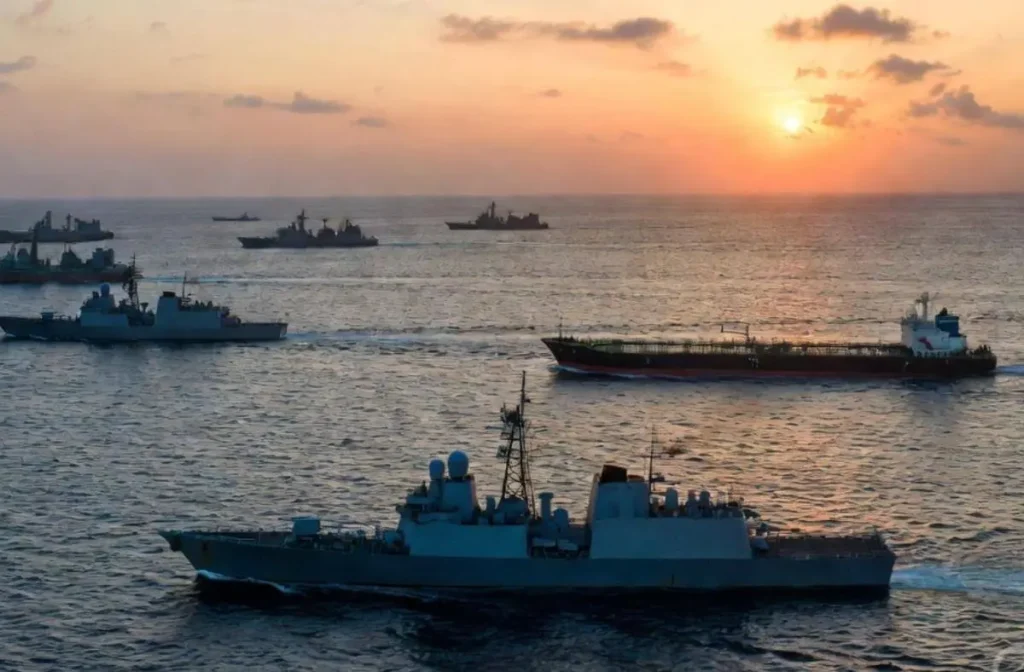
After the Islamabad talks collapsed, the United States deployed more than a dozen warships to enforce a blockade on Iranian ports.
US Central Command reports strong initial enforcement, with several vessels turned back in the first day.
Iran continues to control access through the Strait of Hormuz — the chokepoint for nearly 20% of global oil.
Oil prices eased below $100 on hopes of renewed dialogue, yet the combined restrictions are already sending ripples through supply chains and costs felt far beyond the Gulf.
The Diplomatic Opening That Still Exists
President Trump has signaled that US and Iranian teams could return to Pakistan within the next two days.
Pakistan is actively urging both sides to resume dialogue before the current two-week ceasefire expires on April 22.
This deliberate mix of pressure and outreach raises a critical question in rethinking power in leadership: Can leverage create the urgency needed for compromise, or does it risk hardening positions when nuclear issues, regional stability, and global energy flows hang in the balance?
The Parallel Track With Israel And Lebanon
In Washington yesterday, Secretary of State Marco Rubio hosted the first direct high-level talks between Israeli and Lebanese officials since the 1990s.
Both sides described the meeting as productive, with focus on Hezbollah and pathways to stability in southern Lebanon.
These discussions run separately from the US-Iran ceasefire, yet they remind us how tightly linked regional threads truly are. Progress on one front can quietly shape possibilities on the other.
How Leadership Is Tested In This Moment
Leadership reveals its true quality when it must hold the full weight of human costs, economic disruption, and damaged trust without letting the situation fracture further.
Awakened leadership in crisis applies necessary pressure while keeping a clear focus on the shared future that nations and peoples must ultimately build together.
It demands the clarity to ask whether today’s actions strengthen tomorrow’s foundations or simply prolong cycles of fatigue that weaken everyone involved.
What Governance Requires Here
Governance faces its clearest test when decisions in one strategic region instantly reshape energy prices, trade flows, and daily realities for people worldwide.
Responsible governance balances the tools of leverage with the duty to protect the interconnected systems we all depend upon.
The deeper question in rethinking power in leadership is whether short-term coercion serves lasting stability, or whether it risks sowing greater fragility for societies and economies in the years ahead — a key challenge for the future of global governance.
Diplomacy’s Deeper Work
Diplomacy gains real strength when it can name hard realities plainly while preserving authentic channels for movement.
The potential resumption of US-Iran talks alongside the new Israel-Lebanon channel shows that space for progress has not yet closed.
Awakened diplomacy in practice lies in steadily reducing harm and building frameworks capable of supporting genuine stability across borders and generations.
Why This Matters For All Of Us
This standoff reaches well beyond any single region. It shapes global energy security, the cost of goods and fuel, supply chain reliability, and the broader conditions under which nations, communities, and individuals live and work.
At its core, it presents a shared choice for human-first leadership: allow complexity to deepen division and exhaustion, or move toward greater awareness and coordinated intelligence that serves humanity’s common future.
What Are Your Thoughts?
I would value hearing what stands out to you as this pressure meets the continued possibility of dialogue.
In your view, what qualities of leadership and governance become most essential when global interconnections turn every move into a wider ripple?
Share your perspective in the comments.
Thoughtful reflections from different experiences often bring clearer insight and stronger connection.
Let us keep engaging with honesty and care.
Regards
SunDeep Mehra
Pioneering Awakened Leadership and Governance